The Future of Non-Invasive Cardiac Imaging
Discover how cutting-edge imaging technologies are providing unprecedented views of the heart without the need for invasive procedures.

Mercysam Editorial Board
Medical Content Team
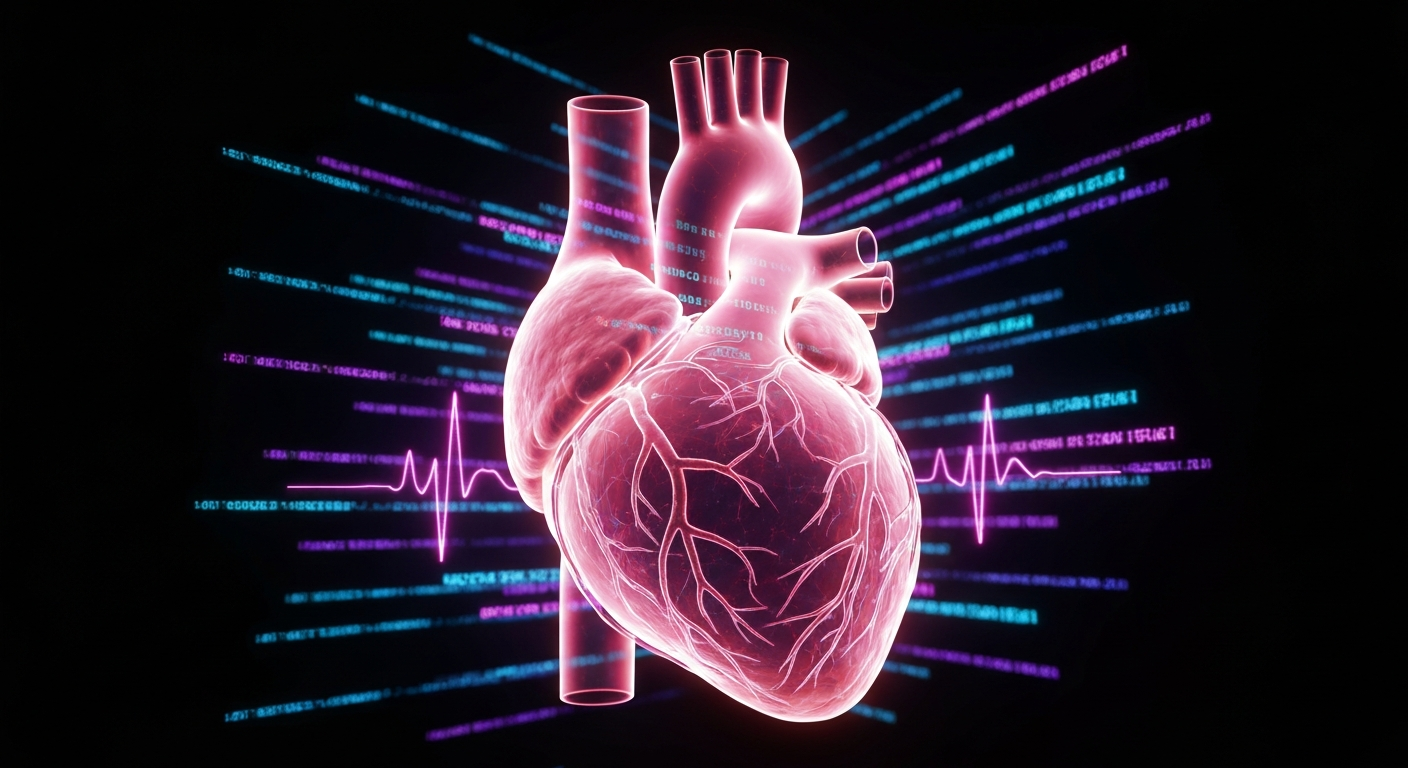
Looking Inside the Beating Heart
Historically, obtaining a detailed understanding of the heart's internal structures and blood flow often required invasive procedures like cardiac catheterization. Today, the landscape of cardiology is being transformed by rapid advancements in non-invasive imaging technologies. These tools provide cardiologists with incredibly detailed, real-time views of the heart safely and comfortably.
The Evolution of Echocardiography
Echocardiography, or ultrasound of the heart, has long been a staple of cardiac diagnostics. However, modern systems have evolved far beyond basic 2D imaging. Advanced 3D and 4D echocardiography allow physicians to view the heart's valves and chambers in spectacular three-dimensional detail, moving in real-time. This is invaluable for planning complex surgical interventions and assessing structural heart disease.
Cardiac MRI: Unparalleled Tissue Characterization
Magnetic Resonance Imaging (MRI) uses powerful magnets and radio waves to create highly detailed images without ionizing radiation. In cardiology, MRI excels at tissue characterization. It can distinguish between healthy heart muscle, scar tissue from a previous heart attack, and areas of inflammation. This level of detail is crucial for diagnosing cardiomyopathies and assessing the heart's overall viability.
CT Angiography: A Clear View of the Arteries
Coronary Computed Tomography Angiography (CCTA) is revolutionizing how we evaluate the arteries that supply blood to the heart. Using advanced CT scanners and a contrast dye, CCTA provides high-resolution, 3D images of the coronary arteries, allowing doctors to detect plaque buildup and blockages non-invasively. It is rapidly becoming a preferred alternative to invasive angiograms for many patients.
The Role of Artificial Intelligence
Artificial Intelligence (AI) is playing an increasingly significant role in cardiac imaging. AI algorithms can rapidly analyze thousands of images, identifying subtle patterns and anomalies that might escape the human eye. Furthermore, AI can automate complex measurements, such as calculating the heart's ejection fraction, improving both the speed and consistency of diagnostic reports.
Patient Comfort and Safety
The shift toward non-invasive imaging represents a massive win for patient care. These procedures are generally painless, require little to no recovery time, and carry significantly lower risks than invasive alternatives. Patients can undergo comprehensive cardiac evaluations quickly and return to their normal lives immediately.
Conclusion: A Clearer Picture for Better Care
The future of cardiac diagnostics is clear, detailed, and non-invasive. At Mercysam Diagnostic Centre, we are dedicated to providing access to the latest imaging technologies, ensuring our patients receive the most accurate and comfortable cardiac assessments available.