Everything You Need to Know About Digital X-Ray Technology
From faster results to lower radiation, discover how digital X-rays have revolutionized medical imaging and patient care.

Mercysam Editorial Board
Medical Content Team
The Evolution of Radiography
For over a century, traditional film X-rays were the standard for viewing the skeletal system and internal structures. However, medicine has experienced a digital revolution. Digital X-ray technology has largely replaced traditional film, bringing profound benefits to both patients and healthcare providers in terms of safety, speed, and accuracy.
How Digital X-Rays Differ from Traditional Film
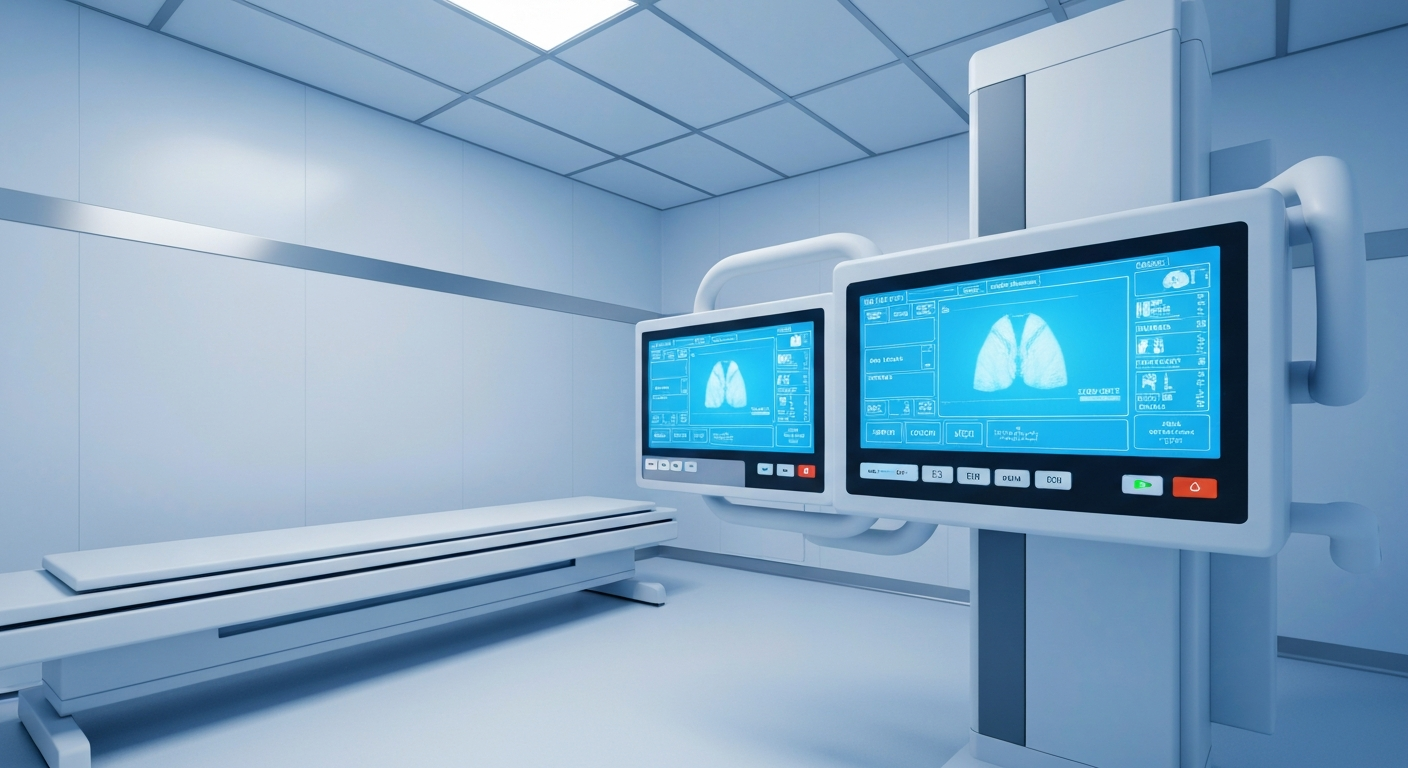
Traditional X-rays use photographic film to capture images, requiring chemical processing in a darkroom—a time-consuming process. Digital X-rays, on the other hand, use digital sensors instead of film. When the X-rays pass through the body, these sensors capture the data and instantly transmit it to a computer system, producing a high-resolution image on a screen within seconds.
Significantly Reduced Radiation Exposure
Perhaps the most significant benefit for patients is safety. Digital X-ray sensors are far more sensitive than traditional film. This means that significantly less radiation is required to produce a clear image. In fact, digital X-rays can reduce radiation exposure by up to 80% compared to conventional methods, making them much safer, especially for patients who require multiple scans.
Superior Image Quality and Enhancement
Digital X-rays provide exceptionally clear and highly detailed images. Furthermore, because the images are digital, radiologists can manipulate them on the computer. They can zoom in on specific areas, adjust contrast and brightness, and even apply color mapping to highlight specific tissues. This enhanced visibility drastically improves diagnostic accuracy, allowing doctors to detect micro-fractures and subtle abnormalities that might be missed on film.
Speed and Efficiency in Patient Care
In medical emergencies, every second counts. The instant availability of digital X-ray images eliminates the waiting time associated with chemical film processing. Doctors can view the images immediately, discuss the findings with the patient in real-time, and make rapid treatment decisions. This streamlines the entire healthcare experience.
Environmental and Storage Benefits
Digital radiography is also environmentally friendly. It eliminates the need for toxic developing chemicals and the physical storage space required for bulky film archives. Digital files are securely stored on encrypted servers, easily added to a patient's electronic health record (EHR), and can be instantly shared with referring physicians or specialists anywhere in the world.
Conclusion: Setting the Standard at Mercysam
Digital X-ray technology represents a massive leap forward in diagnostic imaging. At Mercysam Diagnostic Centre, we have fully embraced this technology to ensure our patients receive the safest, fastest, and most precise imaging services available today.