The Hidden Dangers of High Blood Pressure
Why is hypertension called the 'silent killer'? Learn the risks associated with high blood pressure and how to manage it effectively.

Mercysam Editorial Board
Medical Content Team
The Silent Threat Within
High blood pressure, or hypertension, is often termed the "silent killer" for a very good reason: it typically has no symptoms. You can have high blood pressure for years without knowing it, while it quietly damages your cardiovascular system. Without regular screening, the first sign of hypertension could be a heart attack or stroke.
Understanding Blood Pressure Readings
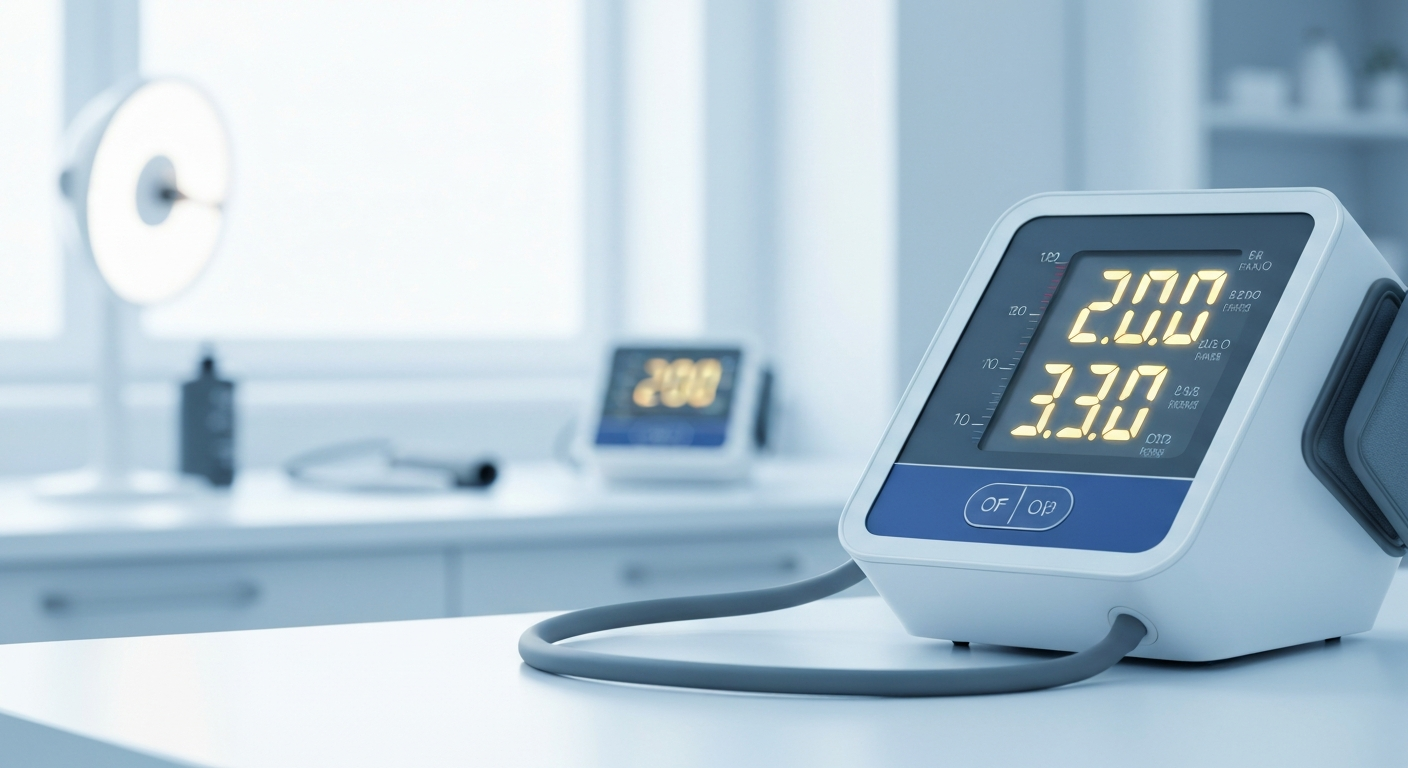
Your blood pressure reading consists of two numbers. The systolic pressure (the top number) measures the force of blood against artery walls when your heart beats. The diastolic pressure (the bottom number) measures the force between beats. A normal reading is typically around 120/80 mmHg. Consistently elevated readings require medical attention.
The Ripple Effect on Your Body
Uncontrolled hypertension forces your heart to work harder, leading to thickened heart muscle and an increased risk of heart failure. It also damages the delicate inner lining of your arteries, making them less elastic and more prone to plaque buildup (atherosclerosis). Over time, this restricts blood flow to critical organs, significantly increasing the risk of kidney disease, vision loss, and cognitive decline.
Risk Factors You Can and Cannot Control
While genetics, age, and family history play a role, many risk factors for hypertension are well within your control. A diet high in sodium, lack of physical activity, obesity, chronic stress, and excessive alcohol consumption all contribute to elevated blood pressure. Identifying these factors early is key to prevention.
The Importance of Regular Monitoring
The only way to know if you have high blood pressure is to measure it. Regular check-ups at a diagnostic centre or clinic are essential. For individuals with a family history or other risk factors, more frequent monitoring—or even investing in a reliable home blood pressure monitor—can provide crucial data to share with your healthcare provider.
Taking Control Through Lifestyle Changes
The good news is that hypertension is highly manageable. Adopting a heart-healthy diet, such as the DASH (Dietary Approaches to Stop Hypertension) diet, reducing sodium intake, engaging in regular aerobic exercise, and practicing stress-reduction techniques can have a profound impact. In many cases, lifestyle modifications alone can bring blood pressure back to a healthy range.
Conclusion: Don't Wait for Symptoms
Your health is your most valuable asset. Don't wait for a medical emergency to find out you have high blood pressure. Schedule a comprehensive health screening at Mercysam Diagnostic Centre today to understand your numbers and take proactive steps toward a healthier, longer life.